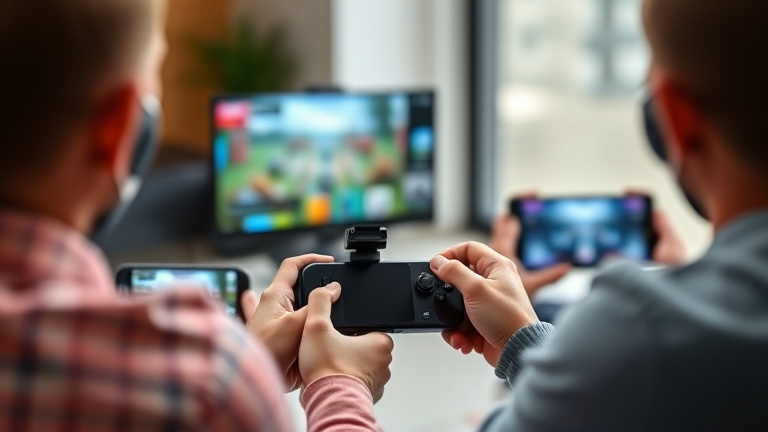
The gaming landscape is experiencing a revolutionary shift as cloud gaming platforms eliminate traditional barriers to gaming on mobile devices. No longer limited by hardware constraints or lengthy downloads, gamers can instantly stream their preferred games to mobile devices from anywhere. This technological breakthrough makes gaming more accessible, allowing smooth performance across multiple devices while minimizing hardware requirements and storage limitations. Discover how cloud gaming services are reshaping gaming expectations and reimagining the future of gaming on mobile devices in this detailed analysis.
The Emergence of Cloud Gaming Technology
Cloud gaming represents a major change in how gamers obtain and enjoy mobile games. By leveraging advanced server technology, this technology transmits titles directly to devices, eliminating the need for premium devices or extensive storage space. Players can immediately start titles without waiting for downloads or installations. This fundamentally changes the gaming experience. This advancement tackles long-standing challenges in mobile gaming, such as hardware incompatibility and storage limitations that once restricted game libraries.
The accelerating uptake of cloud gaming services reflects rising market appetite for ease of access and convenience. Major technology companies and gaming platforms have poured substantial capital in cloud infrastructure to enable fluid, responsive performance. As internet speeds advance worldwide and network reliability increases, cloud gaming becomes more feasible for mainstream audiences. This transformation allows players to experience console-quality games on modest smartphones, expanding access to premium gaming experiences across varied consumer markets and geographic regions.
How Cloud Infrastructure Drives Gaming on Mobile Devices
Cloud infrastructure functions through distributed data centers strategically positioned worldwide to minimize latency and enhance efficiency. These facilities contain powerful servers that process graphics in live action, processing player inputs instantly and delivering visual content to mobile devices. Advanced compression technologies ensure smooth gameplay despite varying internet conditions. The architecture handles simultaneous connections from vast numbers of gamers, maintaining consistent quality and quick response times. This backend complexity remains invisible to users, who enjoy seamless, immediate game access.
The core infrastructure of cloud gaming relies on sophisticated networking protocols and edge computing strategies. Data centers utilize backup mechanisms and traffic distribution to ensure continuous operation during high-demand times. Machine learning algorithms improve resource distribution based on usage trends and regional placement. Network optimization regularly tracks network performance, modifying stream resolution dynamically to preserve seamless gameplay. This smart system ensures that players experience minimal delays, creating an experience nearly identical to local gaming.
- Remote servers process game content instantly for instant streaming
- Data centers positioned globally reduce latency and connection delays
- Sophisticated encoding preserves image quality across varying internet speeds
- Load balancing distributes player traffic across multiple servers efficiently
- Local processing processes data locally to minimize processing delays
Quick Access and Reduced Download Times
Cloud gaming services transform player access by eliminating the conventional file transfer delays that has consistently hindered mobile gaming. Players can now launch their preferred games right away without spending lengthy periods for large files to transfer to their devices. This quick entry transforms gaming sessions from planned occasions into impromptu gaming moments, allowing users to jump into gameplay within moments of launching the application.
The decline in download times fundamentally changes how players interact with new releases and game updates. Rather than handling storage space or dealing with background installations, cloud gaming streams content as needed through streaming technology. This transition allows casual gamers to explore diverse titles without commitment, while competitive players maintain access to multiple games simultaneously without device storage constraints restricting their options.
Overcoming Storage Barriers
Mobile devices face ongoing storage constraints that reduce gaming libraries and overall device performance. Cloud gaming services bypass these constraints completely by running games on remote servers and delivering only visual and audio data to player devices. Users no longer have to compromise valuable storage space for massive game files, opening up capacity for photos, applications, and personal content while maintaining access to vast gaming libraries.
This storage liberation greatly advantages budget-conscious gamers with basic mobile devices sporting restricted storage capacity. Cloud gaming platforms broaden availability to premium titles without regard to device specifications or storage space. Players can maintain expansive game libraries without storage constraints, switching between titles instantly and experiencing the most recent titles without removal choices or storage management headaches.
- Play games without taking up device storage space entirely
- Browse hundreds of titles simultaneously across multiple devices
- Remove storage management and deleting game files choices
- Enable budget-conscious users to play premium titles immediately
- Keep gaming libraries while preserving personal file space
Superior Gaming Experience On All Devices
Cloud gaming services reshape how players engage with mobile games by offering consistent, high-quality gameplay across all their devices. Whether playing on a smartphone, tablet, or laptop, gamers experience identical performance and graphical quality without worrying about hardware specifications or storage limitations. This wide-ranging access ensures that players can seamlessly transition between devices while preserving their progress, settings, and achievements. The cloud infrastructure processes all processing power, allowing even entry-level equipment to run graphically demanding titles effortlessly.
The elimination of device-specific constraints transforms the mobile gaming landscape into an inclusive ecosystem where hardware capabilities no longer determine gaming potential. Players with older devices gain access to cutting-edge titles previously unavailable to them, while premium device owners enjoy improved speeds through optimized cloud servers. This equalization of gaming access creates equal opportunities for all players, independent of their financial investment in hardware. Cloud gaming platforms continuously upgrade their infrastructure, ensuring all users benefit from technological advancements automatically.
Multi-Platform Compatibility and Smooth Integration
Cross-platform compatibility serves as a cornerstone feature of contemporary cloud gaming platforms, allowing players to begin playing on one device and continue seamlessly on another. The cloud infrastructure stores all player data in a central location, synchronizing progress, preferences, and achievements instantly across various devices. This smooth switching eliminates annoying disruptions and allows gamers to make the most of their gaming time by changing platforms without losing momentum. When traveling via public transit or relaxing at home, players preserve full consistency in their gaming experience.
Effortless cross-device transitions empower players to enhance their gaming experience based on their immediate surroundings and personal preferences. A player might initiate a gaming session on their smartphone during a midday break, then pick up on a tablet with a larger screen during evening downtime. The cloud system instantly recognizes device changes and adjusts visual settings, input controls, and system performance in response. This intelligent adaptation ensures the best experience tailored to each device’s features and specifications while protecting all advancement and collected items.
- Launch games on smartphones and resume on tablets instantly
- Automatic synchronization of game advancement across all connected devices
- Platform-tailored adjustment adjusts graphics and controls on its own
- Smooth transitions maintain game state and player achievements
- Continuous online backup prevents any loss of game advancement
Long-term Outlook and Industry Growth
The cloud gaming market is positioned for exponential expansion over the coming years. Industry analysts forecast the worldwide market will hit $30 billion by 2030, fueled by growing smartphone adoption and better internet connectivity. As fifth-generation networks expand globally, latency issues that once limited cloud gaming will diminish significantly. This technical progress will enable smoother gameplay experiences, drawing in new players worldwide and solidifying cloud gaming’s role as the dominant distribution method for mobile entertainment.
Consumer uptake levels keep accelerating as major technology companies invest heavily in cloud infrastructure. Players increasingly appreciate the convenience of instant access without storage limitations or device compatibility issues. Subscription-based models are emerging as the industry standard, providing cost-effective unrestricted gaming experiences. Market competition intensifies as established platforms and new entrants compete for market share, ultimately benefiting consumers through improved services, larger game catalogs, and price competition structures that make premium gaming within reach of wider audiences globally.
Industry Trends and Sector Growth
Major tech corporations and venture capital firms are investing substantial capital in cloud gaming infrastructure development. Microsoft, Google, Apple, and Amazon have all launched or expanded their cloud gaming platforms, acknowledging the sector’s tremendous potential. This corporate funding drives technical advancement and service improvement. Smaller gaming studios also receive significant funding, enabling them to develop cloud-native titles specifically designed for streaming delivery. The surge in investment demonstrates robust market confidence in cloud gaming’s future potential and profitability, ensuring sustained growth and continuous improvement in service quality and user experience.
Key alliances between communication firms, equipment producers, and gaming publishers reshape the market structure. These joint ventures embed cloud gaming into wider digital platforms, packaging features with cellular packages and device purchases. Regional expansion initiatives focus on growth territories where established gaming networks continues to be underdeveloped. Companies commit capital toward localized content and infrastructure systems to improve delivery across varied locations. These coordinated efforts speed up cloud gaming implementation globally while creating long-term financial structures that enable long-term industry growth and revenue generation for all parties engaged.
- 5G network expansion provides reduced lag playback quality globally
- Bundle packages combine game streaming alongside media platforms
- Developing regions offer significant potential for rapid user growth
- Artificial intelligence-driven enhancement improves responsiveness and customization features
- Cross-platform integration enables seamless gameplay across various platforms
